



0 引言
然而,传统的海洋保护地管理政策受限于行政壁垒与认知水平,常陷入碎片化管理的困境。一方面,行政边界的刚性分割破坏了海域的生态连续性,使相关生态过程难以在统一框架下得到有效管理;另一方面,深海探测技术瓶颈与海陆交互研究薄弱,阻碍了对生态连通性的深层认知[6]。此外,陆源污染管控与海洋保护的脱节产生负向耦合效应,严重削弱区域海洋生态保护的整体效能。
开展陆海保护的差异研究,有助于提升保护策略制定的针对性和对海洋自然资源管理的科学性,可为跨国/跨境生态保护提供理论支撑,助力全球生态保护政策框架优化与可持续发展目标落地,也能帮助公众理解海洋生态系统的独特价值,驱动保护地管理领域技术的创新与应用。
1 陆海保护地面积与生物多样性保护效率
陆地与海洋,二者构成地球表层重要的生态圈层,支撑着地球几乎全部的生命活动和生态系统功能。2010年联合国《生物多样性公约》第十次缔约方大会(COP10,目标11)确立:到 2020 年,至少 17%的陆地与内陆水域以及 10%的海岸与海洋,尤其是那些对生物多样性和生态系统服务重要的地区得到保护,主要是通过有效合理的管理、建立生态典型区域及保护地等保护措施来实现。2022年《生物多样性公约》第十五次缔约方大会(COP15)确立了“3030”目标,即到2030年有效保护和管理至少30%的陆地和内陆水域、海洋和沿海区域;到2030年,至少对30%的已退化陆地和内陆水域生态系统、海洋和沿海生态系统采取修复措施。作为对上述行动计划的响应,世界各国建立了陆地和海洋自然保护地(图1),其中我国已建立各类涉海自然保护地363处,覆盖面积约10.5万km2,集中分布于近岸浅水区域[7]。
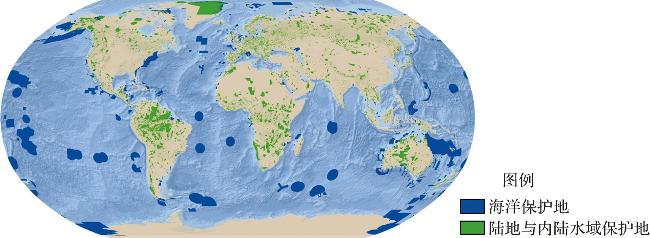


全球自然保护地的空间分布高度不均(图1),并且人们对促进或阻碍建立保护区的社会环境因素仍知之甚少。除了智利、墨西哥和其他少数国家,大多数国家依据世界自然保护联盟(International Union for Conservation of Nature and Natural Resources,IUCN)最高保护等级(一级)设立的海洋保护地面积占比低于10%[8]。在人口高度膨胀、人类粮食与能源基本需求尚未得到有效满足的现阶段,将最高保护等级的海洋保护地面积覆盖率提高到10%以上,对大多数国家来说缺乏可操作性。MOUILLOT等[8]采用14个社会经济和环境指标描述陆地和海洋保护地的多维生态位,不仅在全球尺度上量化了特定保护地设立的先决条件,还揭示了保护地分布特征——其倾向于在人类发展指数较高及非政府组织活跃地区聚集;通过整合脊椎动物分布与保护地建立可能性数据,区分“潜在”与“不切实际”的保护增益区域,指出许多海洋生物多样性热点区域因受限于社会经济背景,难以转化为严格保护地。上述研究表明,单纯追求30%的面积覆盖目标可能面临巨大的社会经济障碍[9],未来的保护策略需在保护面积扩大与实施的可行性之间寻求平衡。同样,海洋保护地的保护成效受规划布局、管理能力与社会意愿等多维因素制约[10],既要依靠管理机构的能力和水平, 也需政府决策者、利益相关者以及社会公众等在多个层面协同发力[11]。
基于人类发展现实以及在短期内扩大海洋保护地面积的困难,一些学者与保护机构积极探索非保护地措施(other effective area-based conservation measures,OECMs)以实现生物多样性保护目标[12]。以《湿地公约》、《濒危野生动植物种国际贸易公约》(CITES)以及《生物多样性公约》为代表的国际多边协定,通过目标设定、标准构建、资源整合与规范倡导,构建了全球海洋治理框架,成为强化自然保护地保护效应的助推剂。与此同时,空间规划、生态红线等宏观管控工具,科学素养等社会文化基础以及社区共管等区域治理机制,在珍稀濒危生物保护[13]及生态系统多样性、完整性维持方面也发挥着积极作用;季节性休渔及渔具管控等时空精细化管理措施,也能够在特定时空尺度上,对海洋生物多样性形成保护效应[14-16]。
2 陆海统筹理念在海洋自然保护地体系构建中的实践
2.1 政策演进与制度困境
陆海统筹旨在协调陆地和海洋系统在经济发展、资源开发、生态安全及环境治理等领域的交互关系。然而,我国长期遵循陆海分治的治理框架,生态环境制度体系建设呈现显著的“重陆轻海”偏向,这一特征在生态安全格局的演进中表现明显:第一阶段从20世纪50年代起,生态工程以陆地生态系统修复为核心;2010—2020年的“两屏三带”格局为第二阶段,其规划范围仍局限于960万km2陆域国土[17];2020年至今的“三区四带”格局作为第三阶段,虽已将海岸带生态屏障与构建“一带一链多点”的海洋生态安全格局的顶层设计纳入其中,但陆海统筹的实施机制依然薄弱。多头管理、职能交叉等问题持续存在,国家和地方层面的战略规划、法律体系和政策工具尚未形成有效衔接,执行层面缺乏可操作的具体抓手。传统陆域主导的发展思维与海洋保护的战略从属地位,导致陆海生态系统的客观差异未能得到制度层面的充分回应,差异化管理体系亟待建立。
2.2 海洋生态系统的特殊性与分类治理逻辑
海洋生态系统的强连通性与跨尺度耦合特征,决定了其保护策略必须区别于陆地模式。滨海湿地、海草床、珊瑚礁及洄游生物等要素构成复杂的海洋生态系统网络,要求在治理和保护架构中兼顾全球视野与区域适配性。尽管全球海洋治理呈现多层级特征,但主权国家主导的区域化协作趋势在岛礁、海岸带和浅海生态系统管理中展现出更高的空间契合度[18]。基于此,应基于生态系统的特殊性实行分类、分级治理:针对迁移尺度较小、空间边界相对清晰的生态系统(如贝藻场、海草床、珊瑚礁),可强化区域尺度管理;针对跨界洄游物种,则需结合洋流驱动过程嵌套全球治理机制。通过海洋生态要素和区域类型的科学区分,建立差异化管理制度,是协调保护目标与资源利用结构性矛盾的重要方向[19]。
2.3 保护效益导向的面积优化策略
海洋保护的整体性目标不应异化为面积指标的简单扩张。忽视生态系统结构功能特征、片面扩大保护范围,将导致成本效益失调并制约区域可持续发展。在人与自然和谐共生的框架下,海洋自然保护地布局应转向效益优先的优化逻辑:在非生物多样性热点区域设立保护地,需审慎论证;通过精准选址和现代空间治理的袖珍型自然保护地,同样能实现高效保护。例如,深圳福田红树林自然保护地,是位于城市腹地内的袖珍型自然保护地,其在维持生物多样性的同时,提供了城市生态文化服务,并于2025年获 “全球湿地教育中心星级奖”(Star Wetland Center for People),验证了“小型化、网络化、精准化”布局在生态保护与社会效益间的双赢潜力。这表明,基于生态功能网络的优化配置,较之于单一面积扩张,更能实现保护成效的最大化。
3 陆海生态系统空间结构分异及其对海洋保护的启示
3.1 水介质的生态界面效应
水要素作为介质差异,从根本上塑造了陆海生态系统的空间格局与保护逻辑。陆地与海洋呈现“陆包水”(水域镶嵌于陆地)与“水包陆”(岛屿镶嵌于海洋)的逆向空间构型,这一结构差异决定了生物扩散与环境连通的基本规则。陆地生物分布受地形阻隔驱动,呈现斑块化生境异质性;海洋生物(尤其浮游幼体阶段)则借助水体流动性实现主动和被动扩散,种群连通性显著增强。相应地,陆地保护策略应侧重构建陆域生态廊道以缓解生境破碎化,而海洋保护网络需基于流体动力学与生物生活史特征,构建兼顾幼体漂流路径、成体洄游廊道与关键栖息地的三维立体保护空间结构。
3.2 陆海交错带的高动态性及其管理挑战
3.3 地形制约与认知局限对保护格局的影响
地形和水深等环境因素深刻影响着陆地和海洋保护地的设置。我国陆域保护地的分布与地形复杂度密切相关,如地势的高低与陆地保护地的建设数量和面积呈现正相关,而海洋保护地则多集中在浅海区域,其数量随水深增加而显著减少。已建海洋保护地数量浅海区多于深海的原因,一方面是人类活动和早期认知集中在近海,另一方面是深海探测难、认知成本高和生态系统基本信息缺乏。随着《<联合国海洋法公约>下国家管辖范围以外区域海洋生物多样性的养护和可持续利用协定》(BBNJ协定)的生效以及联合国“海洋十年”的“数字化深海典型生境”、“全球深渊探索”等大科学计划的推进[22],深海生态系统的保护将逐步进入全球保护议程,推动自然保护格局向全球尺度和全水深尺度拓展。
3.4 海洋生态系统的特殊性
水体介质的流动性与三维连通性,深刻塑造了海洋生态系统的结构与功能。然而,人类活动带来的压力,特别是气候变化,正在重塑海洋中物质和能量的分布[23-25]。在物理环境层面,海洋呈现出动力强、垂向分层、高盐环境、深海高压等特性;在生物多样性层面,其门级分类单元远超陆地,却呈现“高阶元、低物种数”的独特格局[26-27];在生态过程层面,海洋上部真光层以浮游生物提供初级生产力为主与海洋深部黑暗层化能合成生产力并存[28],与陆地维管植物主导迥异;在空间尺度方面,海洋生态边界模糊且连通性极高[29]。由于大气和海洋两种流体介质在动力学过程的本质差异,温度、降水等气候因子的作用机制也明显不同,从而限制了陆海生态系统的直接可比性[30]。以上的差异表明,陆地生态系统的概念框架与管理方法难以直接移植于海洋,海洋生态系统的保护策略必须建立在其自身的结构属性与动态规律之上。
4 海洋保护地建设与管理的问题及对策建议
我国正在积极推进以国家公园为主体的自然保护地体系建设,在将陆地保护地的分级、分类、分区标准应用于海洋保护地管理的过程中,尽管取得了一定成效,但仍面临认知局限、信息匮乏、保护成效难评估、自然资产不清晰、治理主体联动弱、资金保障缺口大以及陆海统筹不充分等多重挑战。这导致当前海洋保护地处于“管控”有余而“发展”不足的现状中。
4.1 科学认知与基础数据支撑不足
有效的海洋动态管理及保护地空间布局有赖于长期、高质量的生态监测数据支撑[31-33]。然而,当前我国海洋保护地管理受制于显著的数据短板和认知盲区。首先,对保护地的生态连通性、物质能量流动及生物迁徙缺乏系统性认知[6,34-35],导致海洋保护地的设立呈现“孤岛化”特征,未能充分融入大尺度海洋生态格局。同时,已建海洋保护地的冗余性和互补性有待评估,其空间布局的代表性及覆盖度,仍需进一步研究。此外,相较于陆地,海洋的保护生物学研究和公众认知均显薄弱[35]。在管理理念与法律方面,早期部分海洋保护地在“抢救性保护”的背景下建立,存在保护目标与管理措施的时空错配问题[36-38]。尽管国际上普遍倡导“基于生态系统的适应性管理”与“可持续利用”[39],但我国现行的国家公园管理理念仍偏向严格保护。虽然新颁布的《中华人民共和国国家公园法》为公共服务活动预留了法律空间,但受制于人为活动影响机制不明、基础设施落后和专业人才短缺,制定一套符合海洋生态特征、具有可操作性的海洋类国家公园建设管理细则,仍是当前亟待破解的关键课题[35]。
4.2 生态保护成效评估体系不健全
4.3 自然资产与生态价值核算不清
海洋生态系统的生态调节与支持服务功能具有无形化特征,属于公共产品,其产权界定与价值核算在理论和实践上均处于探索阶段。相应的,海洋自然保护地产生的巨大生态系统服务价值同样未能有效纳入传统国民经济核算体系和地方政府政绩考核体系。公众与决策层对海洋生态系统的认知多停留在景观美学与生物资源层面,对其调节和支持功能所蕴含的巨大但隐蔽的生态服务价值缺乏量化评估,相关价值实现机制也尚未建立。例如,滨海湿地生态系统为后方城乡提供的风暴潮防护、水质净化等价值被长期忽视。尽管已有多个海洋自然保护地参与海洋碳汇交易的报道,但受限于计量方法学、市场机制与金融工具的不完善,相关生态产品价值转化实践进展缓慢,多为市场流动性不强、规模有限的自愿交易。
4.4 跨部门区域协同治理机制不畅
4.5 可持续资金保障机制尚未建立
海洋自然保护地的建设与管理长期高度依赖中央和地方财政投入,资金渠道单一且不稳定。《中华人民共和国自然保护区条例(修订草案)》明确:管理自然保护区所需经费,纳入自然保护区所在地的县级以上地方人民政府预算;国家对国家级自然保护区的管理,给予适当的资金补助。中央财政仅对国家级自然保护地提供有限经费,且多为项目制拨款;而地方财政(尤其是县级财政)能力有限,特别是海洋自然保护地所在地方,其经济基础往往比较薄弱[36]。海洋自然保护地的生态效益(如碳汇、生物多样性保护)具有跨区域甚至全球性,但其管理成本却主要由属地承担,导致“保护者买单、受益者无偿”的权责错配。目前公众对海洋生态的认知尚停留在渔业资源、旅游景观等直接使用价值,对其隐性生态功能及生态价值缺乏足够认识,从而限制了相关可持续商业模式的探索和以绩效为导向的资金分配机制的推行。
4.6 陆海统筹系统治理格局未形成
海洋生态系统的问题根源往往在陆地,若不能从流域-海岸带-海洋的连续体尺度进行统筹规划和系统治理,任何局限于海洋自然保护地边界内的措施都将事倍功半,甚至最终失效。当前海洋保护地管理多囿于行政海域边界,对陆源污染、流域开发、海岸带土地利用等跨界胁迫因子缺乏有效的陆海统筹管控机制,导致“陆源输入、海域末端治理”的治理困境依然存在。虽然国家在2018年已提出“构建从山顶到海洋的保护治理大格局”,强调系统治理,但在操作层面,陆海联动机制仍缺乏可落地的跨边界协同治理规则。实现流域-海岸带-海洋的一体化规划与联动治理,仍需要强有力的制度创新与部门协同推进。
4.7 对策与建议
上述六个问题并非孤立存在,而是相互关联、相互强化的系统性难题。一方面,认知偏差、价值低估与评估困境构成了互为因果的恶性循环;另一方面,空间管理、海洋生物实体保护与监测数据的条块分割,形成了制约整体效能的结构性障碍。为应对上述挑战,需统一可持续发展理念,破除部门壁垒,完善法制规范并加强国际合作;构建“信息采集-热点识别-空缺分析-成效评估-基于自然解决方案(Nature-based Solutions,NbS)供给”的技术链条,研发基于海洋水文地形、生物生态特征的科学分区与适应性管理框架;在价值层面探索海洋自然保护地自然资产增值与生态价值高效转化的新途径、新范式。
5 结论与展望
陆海自然保护地在维系地球生态系统完整与保障人类福祉层面具有一致性,但二者在介质属性、连通机制、研究基础、管理可达性等方面存在明显差异。若忽视上述差异而强求在设置原则、管控规定、准入清单、发展要求等方面的统一,将导致保护目标与生境过程的错配、管控强度与生态响应的失衡,进而引发制度失灵。
数据要素价值化与“数据+AI”已成为生态保护领域的重要发展趋势,并已在陆域自然保护地中逐步得到应用。受限于基础数据的相对匮乏及数据时空连续性的不足,海洋生态保护的科学认知在未来较长时期内仍将落后于陆地。我国曾于1958—1960年、1980—1986年、2004—2011年,组织过三次大规模海洋综合调查;中国生态系统研究网络(Chinese Ecosystem Research Network,CERN)在胶州湾、大亚湾和三亚湾的长期观测站,已积累了30~40年的观测数据。深度挖掘现有的海洋监测数据,一定程度上有助于科学评估保护成效,并为未来的保护工作提供方向。
服务于海洋自然保护地的海洋观测数据鸿沟亟待解决。可以通过构建覆盖更广、要素更全的有效海洋生态监测网络,化解海洋自然保护地评估数据不足及静态化与海洋自然保护地动态管理之间的矛盾。同时,大时空范围的海洋生态与生物多样性监测数据可为海洋自然保护地的时空格局设定提供坚实的科学支撑。
未来海洋自然保护地的建设重点,应从扩大单点面积转向强化生态连通性,识别覆盖物种生活史的生态廊道并构建弹性保护地网络;同时延长特殊保护期以覆盖越冬、产卵等关键阶段,从而实现物种全生命周期的闭环保护。